EV Charger Reviews
In-depth, single-charger reviews — full specs, charging-speed math, who it's for and who should skip it. The models that show up across every serious roundup.
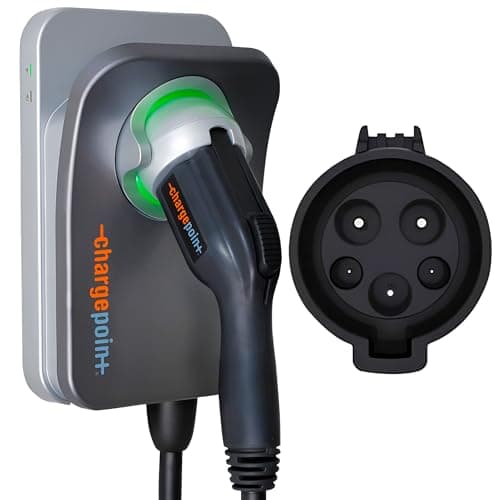
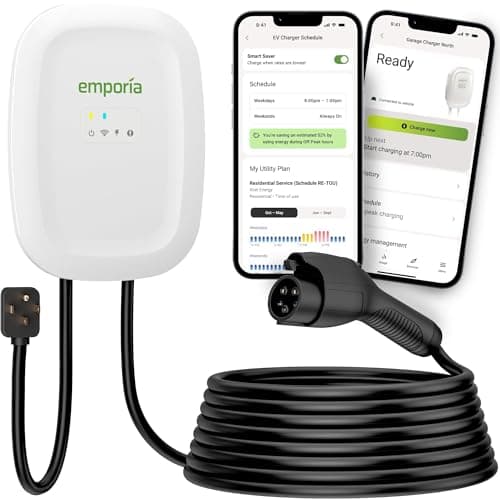
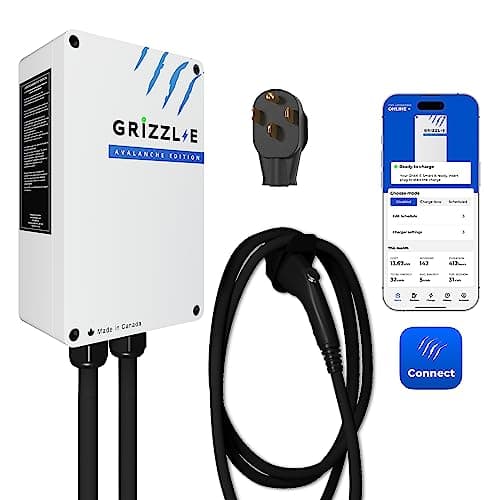
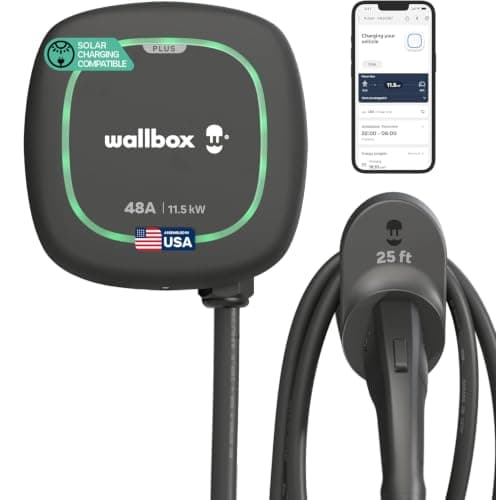
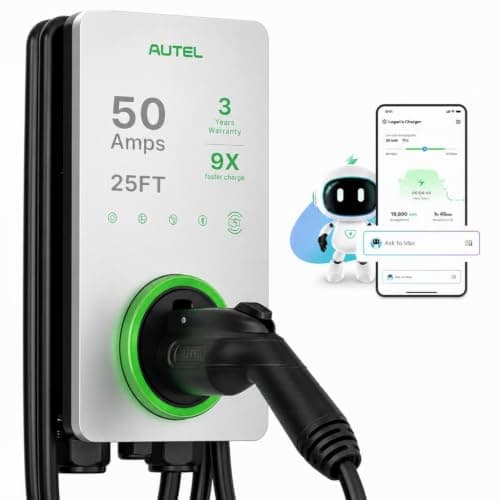
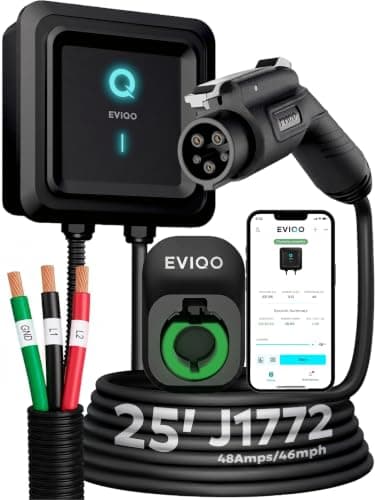
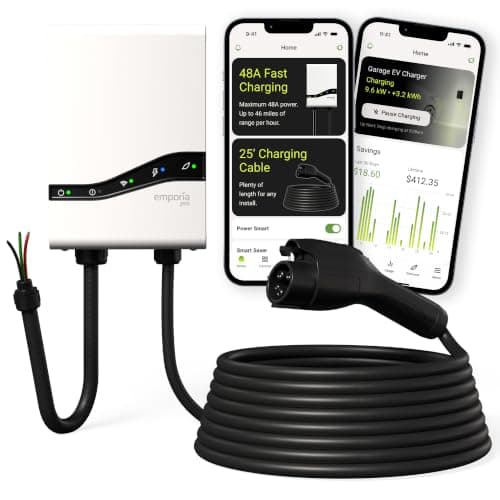
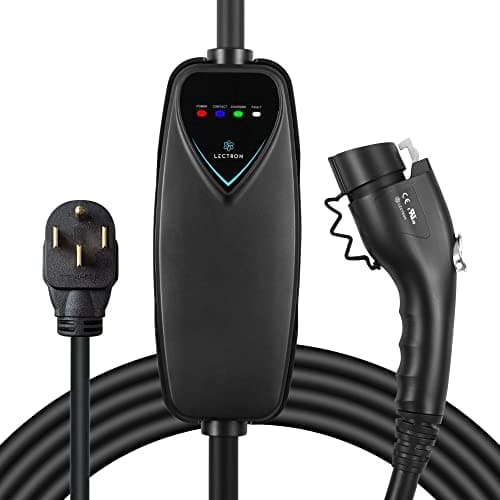
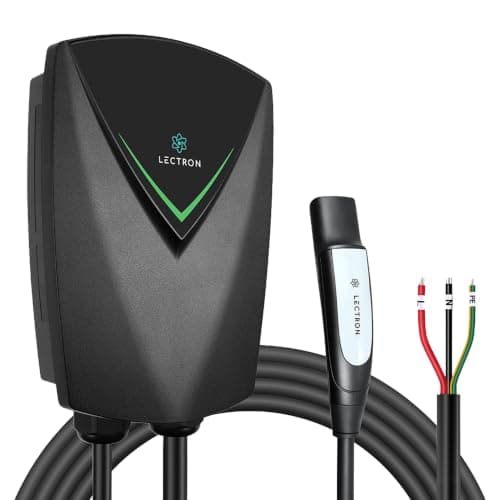
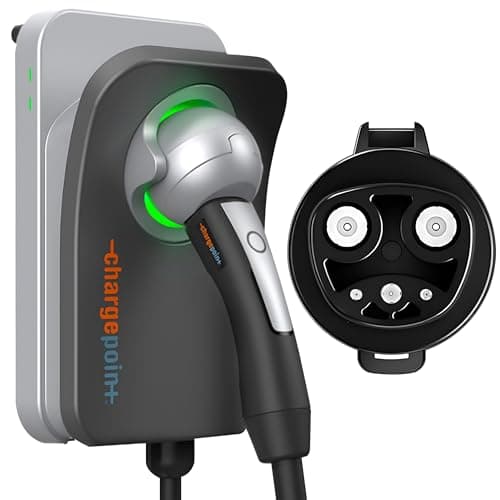
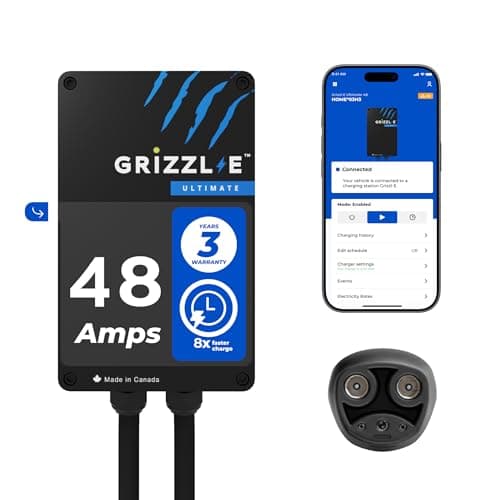
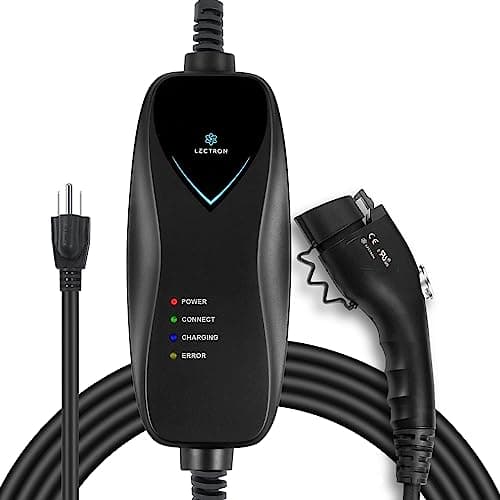
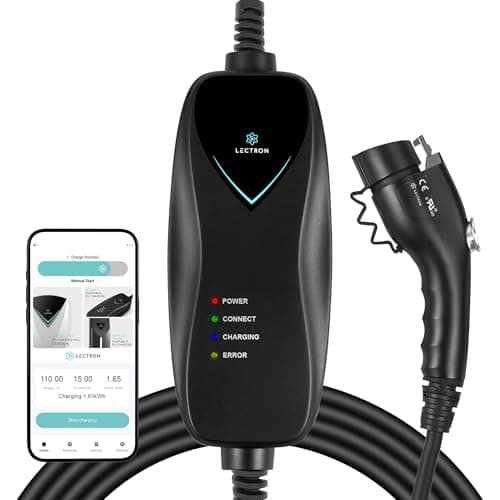
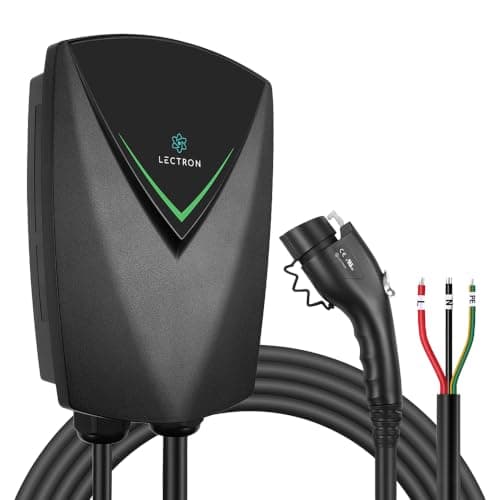
A roundup ranks a whole category in one table. A review answers a narrower question: is this specific charger right for your garage? That’s what you’ll find on this page — single-charger deep dives on the models that keep earning a spot across our other picks, including the ChargePoint Home Flex, the Emporia Level 2, the Grizzl-E Classic Connect and the Wallbox Pulsar Plus. Ten reviews now sit here, including the weatherproof Autel MaxiCharger, the long-cable EVIQO 48A, the load-managing Emporia Pro, the budget Lectron 40A, and both native-NACS options for Tesla owners — the Lectron Nexus and the Home Flex NACS. Four more joined them this month: the 48-amp, OCPP-capable Grizzl-E Ultimate 48A, and the Level 1 end of the market that most roundups ignore — the Lectron Level 1 at 15 amps, its Wi-Fi sibling that trades three amps for a schedule, and the Lectron Level 2 Tesla charger that puts a native NACS plug on a 40-amp portable. The newest is the Lectron NEXUS J1772 48A, which is a full 48 amps with no app, no account and an ENERGY STAR listing we could confirm on the certifier’s own list.
Every review follows the same shape: the full spec sheet, the charging-speed math worked out in miles per hour instead of a bare amp rating, what the install actually involves, and a plain answer to who should buy it and who should keep their money. We don’t own every charger we write about, so each verdict is built from the manufacturer’s published spec sheet and safety listings rather than an invented hands-on account — and we say so, plainly, below.
Everything in Reviews
ChargePoint Home Flex Review
The flexible-amperage smart charger that headlines most roundups — what the 50-amp ceiling, mature app and long warranty get you, and what they cost.
Our top pick
ChargePoint Home Flex
$516.71 · View on AmazonPrice as of October 18, 2026. #ad How we’re funded
Emporia Level 2 EV Charger Review
48 amps, energy monitoring and an ENERGY STAR listing for a value price — the smart charger that undercuts the big names, with the catches spelled out.
Grizzl-E Classic Connect Review
A rugged metal workhorse built for the cold and the outdoors, now with Wi-Fi and 40A-to-16A adjustable current. Where its toughness is a feature, and where the 40-amp ceiling bites.
Our top pick
Grizzl-E Classic Connect
$349.99 · View on AmazonPrice as of October 18, 2026. #ad How we’re funded
Wallbox Pulsar Plus Review
One of the most compact 48-amp chargers you can buy, with Power Boost load balancing — a premium smart unit, priced like one.
Our top pick
Wallbox Pulsar Plus
Autel MaxiCharger Home Review
A NEMA 4X shell rated for genuinely brutal weather, a full 50 amps and a capable app — the charger for a driveway with nothing over it.
Our top pick
Autel MaxiCharger Home
EVIQO 48A Level 2 Charger Review
48 amps, Wi-Fi scheduling, ENERGY STAR and the longest total cable reach in our registry — for less than the marquee brands charge.
Our top pick
EVIQO 48A Level 2 Charger
Emporia Pro (PowerSmart) Review
The load-management charger: it watches the rest of the house and backs off instead of tripping the main. What PowerSmart really needs to work.
Our top pick
Emporia Pro with PowerSmart
$599.00 · View on AmazonPrice as of October 18, 2026. #ad How we’re funded
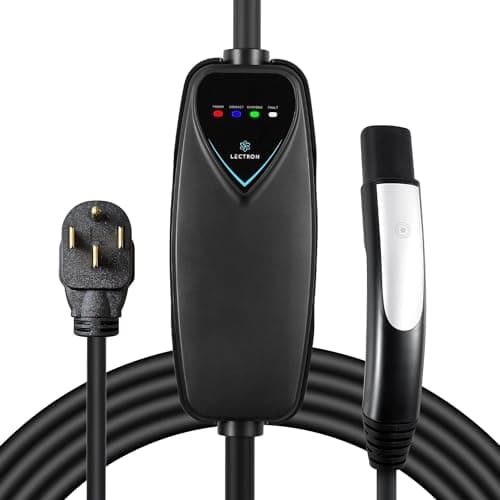
Lectron 40A Portable Charger Review
The cheapest honest route into real Level 2 charging — a true 40 amps from a NEMA 14-50 outlet, with no app and a shorter warranty as the trade.
Our top pick
Lectron 40A Portable Level 2 Charger
$269.99 · View on AmazonPrice as of October 18, 2026. #ad How we’re funded
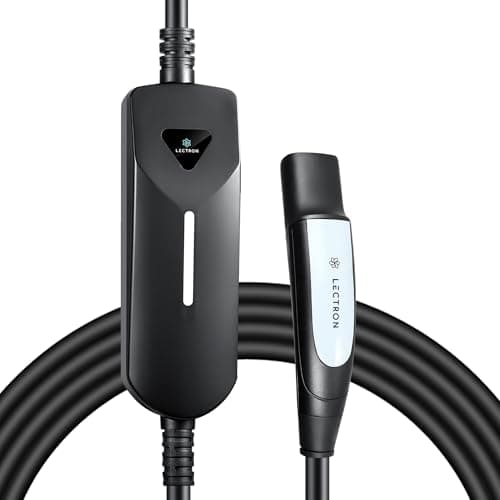
Lectron Nexus NACS Charger Review
A native NACS plug at 48 amps for a Tesla owner who never wants to think about an adapter again — and why the missing app matters less than you'd think.
Our top pick
Lectron Nexus NACS (Tesla) Charger
$449.99 · View on AmazonPrice as of October 18, 2026. #ad How we’re funded
ChargePoint Home Flex NACS Review
The Home Flex you know, with a factory Tesla-style cable. The most mature app on any NACS charger here, and the price premium that comes with it.
Our top pick
ChargePoint Home Flex NACS
$516.71 · View on AmazonPrice as of October 18, 2026. #ad How we’re funded
Grizzl-E Ultimate 48A Review
The weatherproof Grizzl-E with the ceiling raised to 48 amps and an OCPP radio inside — and the hardwire-only install that is the price of admission.
Our top pick
Grizzl-E Ultimate 48A
$479.99 · View on AmazonPrice as of October 18, 2026. #ad How we’re funded
Lectron Level 1 Charger Review (15A)
The fastest version of the slow option: 15 amps from an ordinary wall outlet, no electrician, no permit. Who that genuinely works for, and who it doesn't.
Our top pick
Lectron Level 1 Charger, 15A
Lectron Level 1 Wi-Fi Charger Review (12A)
Trades three amps for an app that schedules sessions and caps a charge in kWh. On a charger that runs all night anyway, that trade is better than it looks.
Our top pick
Lectron Level 1 Charger, 12A (Wi-Fi)
$169.99 · View on AmazonPrice as of October 18, 2026. #ad How we’re funded
Lectron Level 1 & 2 NACS Portable Charger Review (Discontinued)
Discontinued on Amazon as of August 2026. The review stays up for reference, and points at the native-NACS portable we recommend in its place.
Our top pick
Lectron Level 1 & 2 NACS Portable Charger, 12 & 40A
No longer available
See what we recommend instead →Lectron Level 2 Tesla (NACS) 40A Charger Review
A native Tesla plug on the end of a proper 40-amp portable charger — no adapter, no hardwiring, and no app either.
Our top pick
Lectron Level 2 Tesla (NACS) Portable Charger, 40A
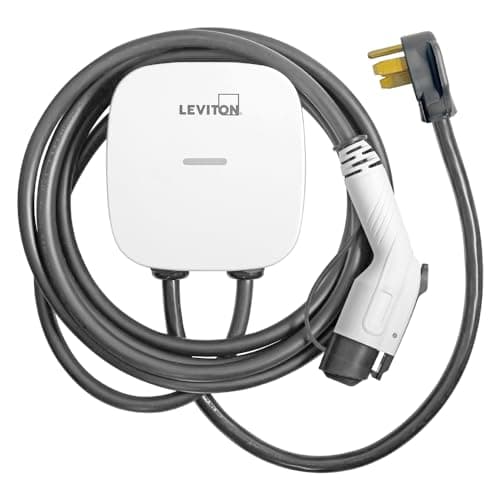
Leviton EV40P Smart Charger Review
The only charger here from a brand your electrician already stocks, with the deepest certification list in our registry — and a price that asks you to value exactly that.
Our top pick
Leviton EV Series Smart Home Charger (EV40P)
$499.85 · View on AmazonPrice as of October 18, 2026. #ad How we’re funded
WOLFBOX WE48 48A Charger Review (Discontinued)
Discontinued on Amazon as of September 2026. The review stays up for reference, and points at the 48-amp WOLFBOX we recommend in its place.
WOLFBOX E48 48A Charger Review
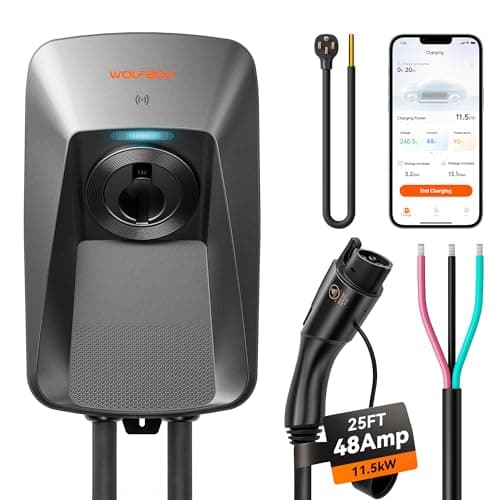
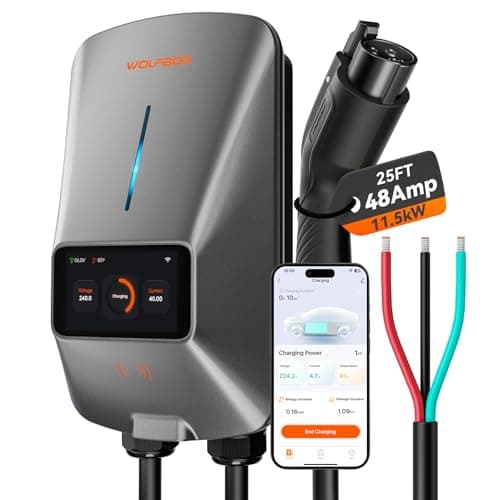
The 48-amp WOLFBOX Amazon actually carries, and the one that publishes its numbers - 11.5 kW, five current steps, IP66 and a three-year warranty, with a screen on the box.
ELEGRP 40A Portable Charger Review
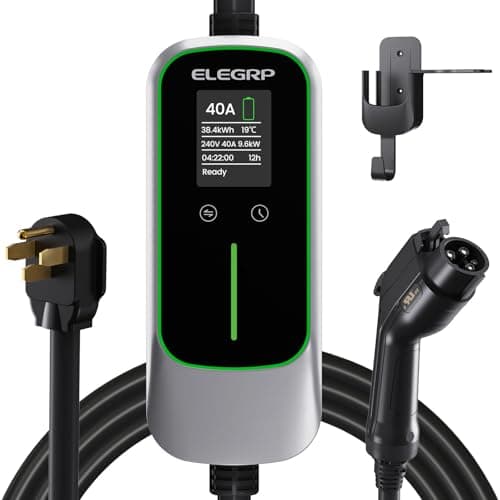
The cheapest charger we cover that still publishes every spec you would want to check — five current levels, IP67, ETL and a 2-year warranty, with no app at all.
Our top pick
ELEGRP 40A Portable Level 2 Charger (ECP24-40A0-01)
$209.99 · View on AmazonPrice as of October 18, 2026. #ad How we’re funded
Grizzl-E Mini 40A Portable Charger Review
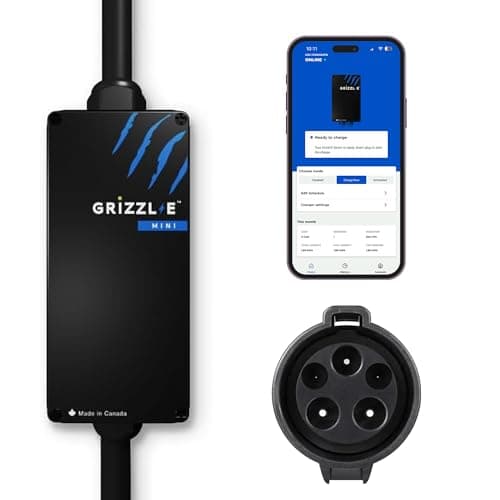
A 40-amp portable in a cast-aluminum case with four manufacturer adapters in the box and a hardware current cap — the one charger we trust on a dryer outlet, and why it ships needing a setting changed.
Our top pick
Grizzl-E Mini 40A Portable Charger (J1772)
$479.99 · View on AmazonPrice as of October 18, 2026. #ad How we’re funded
Lectron NEXUS J1772 48A Review
A full 48 amps, ENERGY STAR certified under its own model number, and nothing to log into — set against the one spec Lectron does not publish, which decides whether you can install it at all.
Our top pick
Lectron Nexus J1772 48A (Hardwired)
$449.99 · View on AmazonPrice as of October 18, 2026. #ad How we’re funded
EVDANCE 24A NEMA 14-30 Charger Review
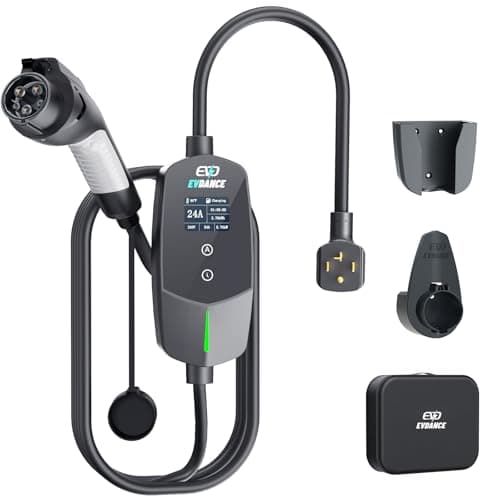
The cheapest honest way to charge from a dryer outlet: a native NEMA 14-30 plug, a 24-amp ceiling that cannot be exceeded, and an ETL mark in the manual — against paperwork that contradicts itself.
Our top pick
EVDANCE 24A NEMA 14-30 Portable Charger (EV-ACS2405U)
$269.99 · View on AmazonPrice as of October 18, 2026. #ad How we’re funded
EVIQO NACS 48A Review
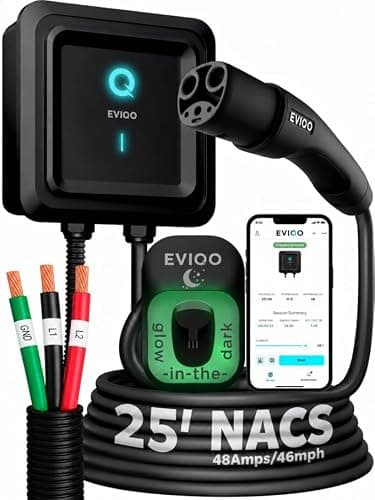
A native Tesla plug, 48 amps, ENERGY STAR, and the one spec no other hardwired NACS charger here publishes — a 6-to-48-amp range that lets it fit a panel that cannot carry a 60-amp circuit.
Our top pick
EVIQO NACS 48A Level 2 Charger
How to judge a home EV charger
The specs that actually decide it
Every review here leads with the same handful of numbers, because they’re the ones that actually change how a charger behaves in your garage, not just how it photographs. Rated amps is the headline spec: multiply it by 240 volts to get kilowatts, then divide by a roughly 3.5-mile-per-kWh reference efficiency, and you get a real miles-per-hour figure instead of a bare amp rating on a box. A 40-amp charger adds roughly 34 miles of range an hour; a 48-amp unit, about 40; a 50-amp unit, about 42. Connector type matters just as much — J1772 fits nearly every EV on the road, while a NACS charger plugs straight into a Tesla with nothing extra to carry. Get those two numbers right and you’ve already answered the question that decides everything else: will it comfortably fill the car overnight.
Install, cable and the box it lives in
After speed, the practical details decide whether a charger actually fits your specific wall. A hardwired unit usually reaches the full amperage on its spec sheet, while a plug-in charger on a NEMA 14-50 outlet is capped lower by electrical code — worth knowing before a spec catches your eye that you can’t actually use at home. Cable length decides whether the connector reaches your parking spot without a stretch or an extension, and an enclosure rating like NEMA 4 or an IP number only matters once the charger will live somewhere genuinely exposed to rain, snow or salt air. We call out all four — connector, install type, cable and enclosure — plus the warranty term, in every review, because a charger that’s perfect on paper but two feet short of your bumper isn’t actually the right pick. Our Grizzl-E Classic Connect review is a good example of how much a rugged, weatherproof enclosure can matter once the charger is going outside.
Why we don’t publish star ratings
We don’t own every charger reviewed on this site, so we don’t write “in our testing” and we don’t hand out a star rating — that would be inventing a hands-on account we can’t actually back up. Instead, every verdict here is reasoned from the manufacturer’s published spec sheet, its safety listings and its warranty terms, weighed against what a real buyer is trying to solve, and we say plainly when a charger isn’t worth its premium for a given buyer, as we do in our Emporia Level 2 review. Our full methodology pagespells out that process end to end. If you’d rather see the short version than read separate deep dives, the Level 2 roundup ranks these same chargers against each other in one table, and our head-to-head comparisons settle the specific this-one-or-that-one matchups people actually get stuck on.
Two of the newest reviews here sit at opposite ends of the category, which is a useful way to read the range. Our EVDANCE 24A NEMA 14-30 reviewcovers the cheapest unit we cover that still clears our named-laboratory bar — a charger whose 24-amp ceiling is its best safety feature — and records where EVDANCE’s own paperwork contradicts itself. Our EVIQO NACS 48A review goes the other way: a native Tesla plug at 48 amps, with the hardware current cap that decides whether a tight panel can take it at all.
Frequently asked questions
Do you buy and test every charger you review?
No. We don't own every unit on this site, so we never claim hands-on testing or publish a star rating. Each review is built from the manufacturer's published spec sheet, safety listings and warranty terms, reasoned into an honest verdict about who the charger actually fits. Our methodology page explains the process end to end.
What's the single most important spec in a charger review?
Rated amps, because it sets your charging speed once you convert it to miles per hour. But it only matters relative to your electrical panel — a 48-amp charger on a circuit that can only spare 40 amps simply runs at 40, so check what your panel can support before you chase the biggest number on the box.
How is a review different from a roundup?
A review is a deep dive on one charger: full specs, the install, and who should buy it. A roundup ranks several chargers against each other for a specific job, like best outdoor or best budget, and picks a winner in each. Start with a roundup if you want a quick answer, and read the review once you've narrowed it down.
Do all these chargers use the same connector?
Most do — J1772, which fits nearly every EV sold in the US except Tesla's factory plug. If you drive a Tesla, you can use a J1772 charger with an adapter, or choose a native NACS charger instead. We cover both routes for Tesla and NACS owners separately.