EV Charging Adapters & Accessories
The connector shift in plain terms — J1772-to-Tesla and NACS-to-J1772 adapters, the best chargers for Tesla and NACS owners, and what to buy while the standard settles.
For years, “which connector?” had one simple answer: J1772, the standard nearly every EV in the US plugged into at home. Tesla was the exception, using its own compact connector — now standardized industry-wide as NACS (SAE J3400). New EVs increasingly ship with a NACS port instead of J1772, while millions of J1772 chargers are already installed in garages across the country. For a few years, that means a garage where the charger’s plug and the car’s port don’t always match on the first try.
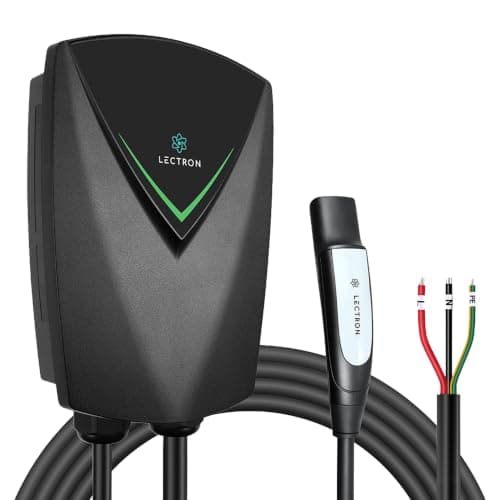
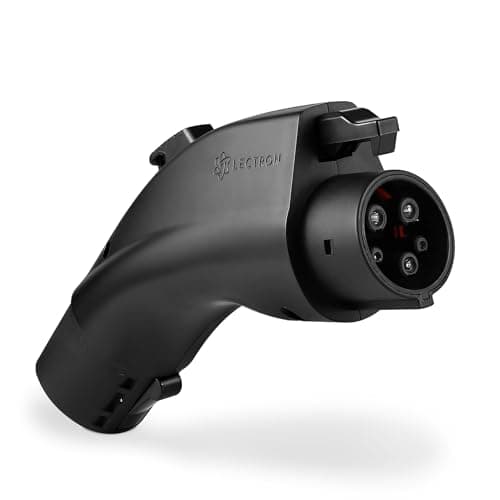
That sounds like a bigger problem than it is. This hub covers the two adapters that bridge J1772 and NACS in either direction, the best home chargers for Teslaowners who’d rather skip the adapter altogether, and a full J1772 vs NACS explainerif you want the connector history spelled out. Each adapter also has its own full review — the J1772-to-Tesla adapter that opens the whole J1772 charger market to a Tesla, and the NACS-to-J1772 adapter that lets a non-Tesla EV charge from a Tesla Wall Connector.
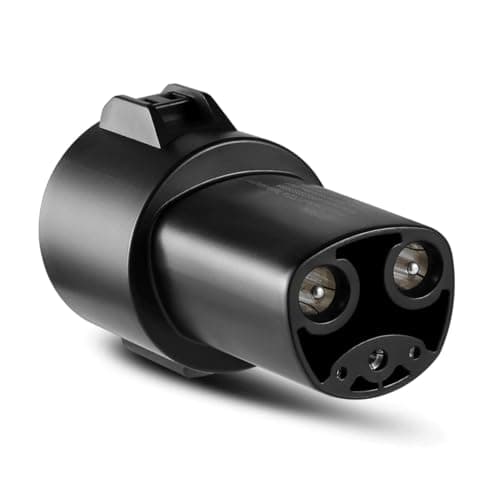
One adapter here is not about home charging at all. The NACS-to-CCS adapter is a DC fast-charging part: it opens the Tesla Supercharger network to a CCS1 car at up to 500 amps, provided your automaker has granted your vehicle access. It is the one accessory on this site where certification is genuinely the product rather than a footnote.
Buying an adapter or a NACS charger as a present rather than for yourself? Our best gifts for Tesla owners list re-explains these picks for the gifter, and the under-$200 gift listfilters the adapters on today’s live prices.
Everything in Accessories
Best EV Charging Adapters (J1772 & NACS)
The two adapters most home chargers now need — J1772-to-Tesla and NACS-to-J1772 — what each one does, and the safe way to use them at home.
Our top pick
Lectron J1772 to Tesla (NACS) Adapter, 80A
$39.99 · View on AmazonPrice as of October 18, 2026. #ad How we’re funded
Best Home EV Chargers for Tesla (NACS)
Native-NACS home chargers for Tesla owners plus the J1772-and-adapter route — and the truth about the official Tesla Wall Connector.
Our top pick
Lectron Nexus NACS (Tesla) Charger
$449.99 · View on AmazonPrice as of October 18, 2026. #ad How we’re funded
J1772 vs NACS: EV Connectors Explained
The post-2025 connector shift explained — what plugs into what, why adapters make it a non-issue at home, and what to buy today.
J1772 to Tesla (NACS) Adapter Review
The accessory that lets a Tesla charge from any J1772 charger — what the 80A rating means, why UL 2252 certification is the line, and how to use it safely.
Our top pick
Lectron J1772 to Tesla (NACS) Adapter, 80A
$39.99 · View on AmazonPrice as of October 18, 2026. #ad How we’re funded
Tesla (NACS) to J1772 Adapter Review
The mirror-image adapter, for a non-Tesla EV charging from a Tesla Wall Connector or a NACS home charger — and the Supercharger limit you must know.
Our top pick
Lectron Tesla (NACS) to J1772 Adapter, 48A
$127.78 · View on AmazonPrice as of October 18, 2026. #ad How we’re funded
NACS to CCS Adapter Review
The road-trip adapter, not a home one: it opens Tesla Superchargers to a CCS1 car at up to 500 amps — if your automaker has granted you access.
Our top pick
Lectron Vortex Plus NACS to CCS Adapter
$199.99 · View on AmazonPrice as of October 18, 2026. #ad How we’re funded
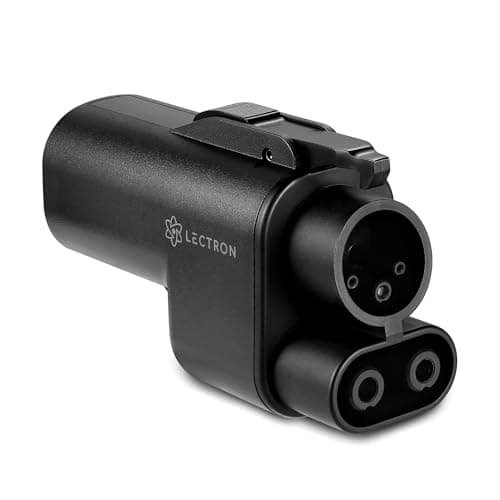
The connector shift, and why it barely matters at home
J1772 vs NACS, in plain terms
J1772 (formally SAE J1772) is the connector nearly every non-Tesla EV in North America has used for Level 1 and Level 2 charging since the standard was established, and it’s the plug you’ll find on the vast majority of home chargers sold today, including every charger reviewed on this site. NACS — Tesla’s original charging connector, now standardized as SAE J3400 — is physically smaller and has been adopted as the going-forward standard by most major automakers for new models, which is why you’ll increasingly see it on cars that aren’t Teslas. Neither one is going away overnight: J1772 has a massive installed base of home chargers already bolted to garage walls, while NACS is what most new EVs will ship with going forward. Our J1772 vs NACS guide walks through exactly which cars use which and why the industry settled on NACS.
Why an inexpensive adapter solves it at home
You don’t need your charger’s plug to match your car’s port on the nose. A J1772-to-NACS adapter lets a Tesla or other NACS car plug into any J1772 home charger, and a NACS-to-J1772 adapter runs the other direction — letting a J1772 car draw power from a Tesla Wall Connector or similar NACS source. Either one lives on the charger’s handle or in the glovebox, and once it’s seated, charging works exactly like a native connection; look for a real safety listing on the adapter itself, the same way you’d check one on the charger. That means you can buy the charger that’s actually the best fit for your amps, install and budget, and let a small adapter handle the plug instead of ruling out chargers based on connector alone. Our adapters page covers both directions and how to use them safely.
AC only — this isn’t about Superchargers
Everything above applies to AC home and destination charging — the 240-volt Level 2 charging this whole site is about. DC fast charging, including Tesla’s Supercharger network, is a completely different high-power protocol with its own connector behavior, and none of these AC adapters convert into it or were ever meant to. If you’re shopping specifically for a Tesla or another NACS-equipped EV and would rather skip the adapter conversation entirely, our best chargers for Tesla page rounds up the native-NACS options, alongside chargers from our Level 2 roundup that work just as well once an adapter is in the mix.
Frequently asked questions
Do I need an adapter if I drive a Tesla?
Only if your home charger is a J1772 unit — which covers most chargers on the market. A J1772-to-NACS adapter lets it plug straight into a Tesla. If you buy a native NACS charger instead, you won't need one at all.
Can I use a home charging adapter at a Supercharger?
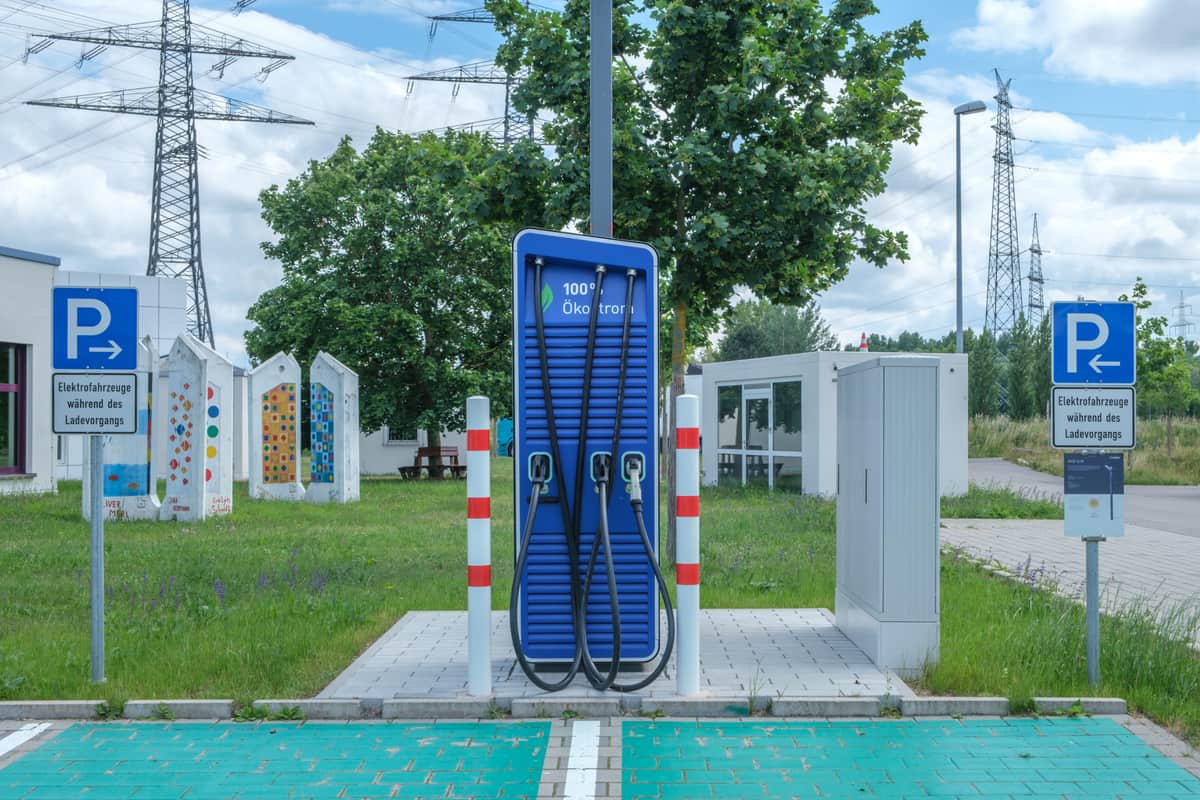
No. These are AC adapters built for home and destination charging over a standard Level 2 circuit. Supercharging uses a separate DC fast-charging protocol that these adapters don't convert into.
Is J1772 becoming obsolete?
Not soon. It's the connector on millions of EVs and home chargers already installed, and most non-Tesla EVs sold today still use it. NACS is where new vehicles are heading, but J1772 will stay common for years, which is exactly why adapters matter.
What's the actual difference between a J1772 and a NACS plug?
J1772 is a larger, boxier connector standardized for AC Level 1 and Level 2 charging. NACS, Tesla's original design and now SAE J3400, is smaller and was built to handle both AC home charging and DC fast charging through the same plug.