EV Charger Comparisons
Head-to-head charger matchups and the spec decisions behind them — this model against that one, 40A against 48A, hardwired against plug-in, each settled on published numbers rather than vibes.
Shopping for a home charger almost always ends as a two-way decision. Not “which of the forty chargers on the market” — that stage takes an afternoon and a roundup — but “this one or that one,” with two tabs open and a price difference you cannot quite justify. These pages exist for that moment.
Each comparison is settled the same way: published manufacturer specs, our own charging-speed arithmetic with the assumption printed, and the circuit each option demands of your panel — because that last one decides more of these matchups than any feature. We name a winner for each kind of buyer rather than declaring one charger better overall, because a charger that is right for an exposed driveway in Minnesota is not the one that is right for a closed garage with a full panel.
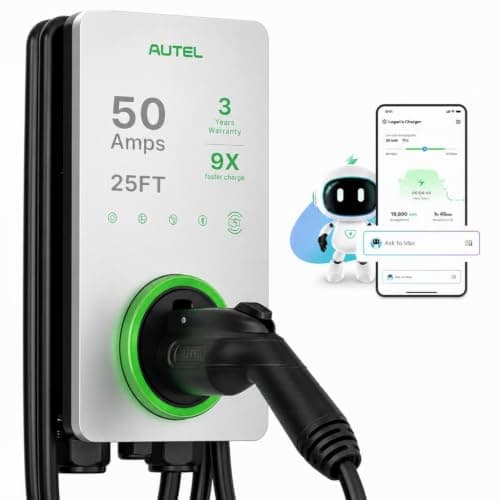
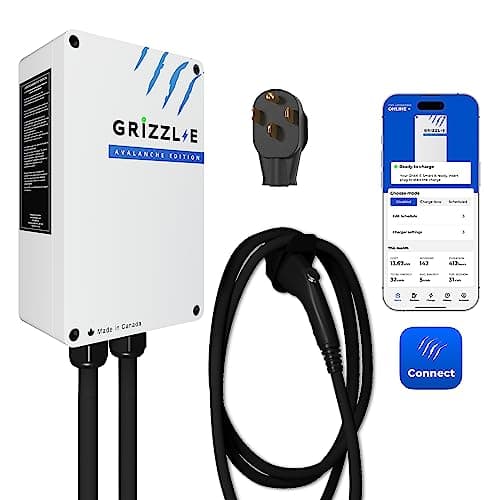
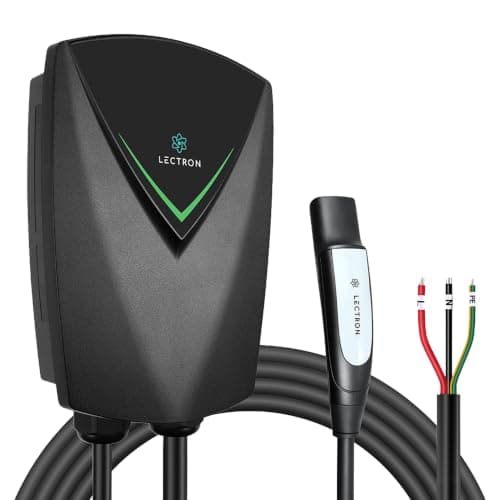
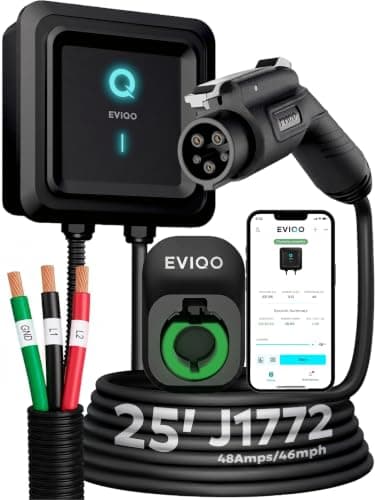
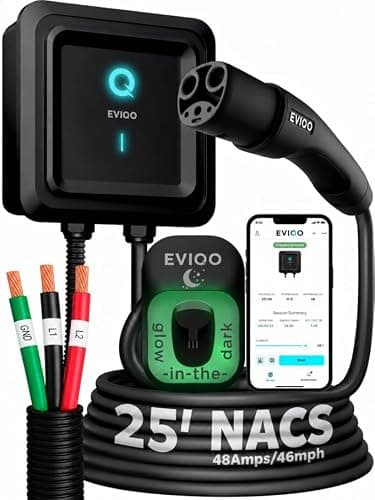
Ten matchups sit here. The model head-to-heads cover the shortlists people actually arrive with — Autel vs ChargePoint for two 50-amp units split by weather versus flexibility, EVIQO vs Emporia for the closest matchup on the site, Wallbox vs ChargePoint for two different answers to a tight panel, and Lectron vs Grizzl-E for the clearest illustration of what money actually buys at identical amperage, and EVIQO vs ChargePoint Home Flex for the two widest adjustable current ranges we cover, split by where the limit is enforced. If you have not got that far yet, Level 1 vs Level 2 is the decision that comes before all of them.
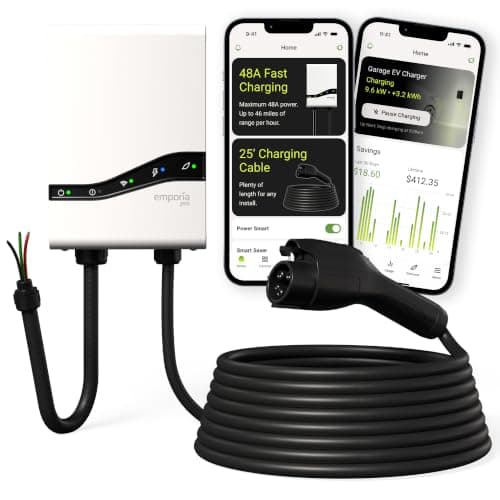
Three newer matchups cover the shortlists that come up most often among the premium and value 48-amp chargers: EVIQO 48A vs Grizzl-E, a connected charger against a metal box with a 5-year warranty option; Autel vs Wallbox Pulsar Plus, decided on what each brand still publishes about enclosure and warranty; and Emporia Pro vs Wallbox Pulsar Plus, two answers to a tight electrical panel that both need an accessory you buy separately.
Everything in Compare
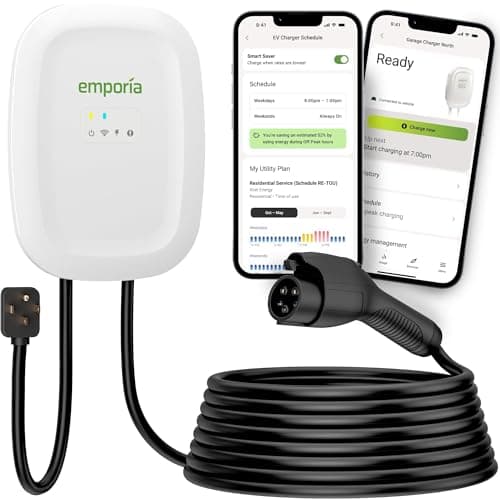
Emporia vs ChargePoint Home Flex
The value 48-amp charger against the flexible-amperage premium one — where the price gap buys you something real, and where it doesn't.
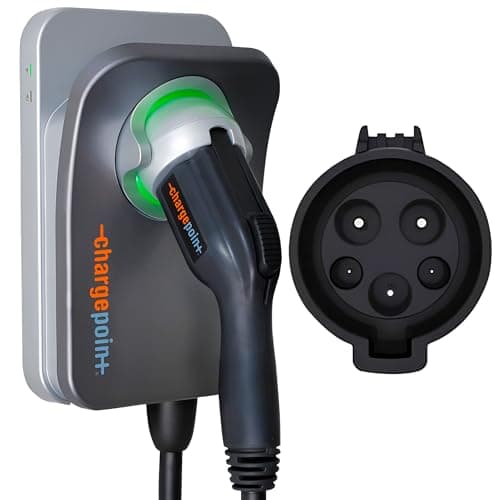
Grizzl-E Classic Connect vs ChargePoint Home Flex
A weatherproof metal shell and 40 amps against a polished app and 50. Two views on where the money should go, at a similar-ish price.
Our top pick
ChargePoint Home Flex
$516.71 · View on AmazonPrice as of October 18, 2026. #ad How we’re funded
Wallbox Pulsar Plus vs Emporia Level 2
Two 48-amp smart chargers with the same headline number. The split is size, load balancing and whether you can plug it in at all.
40A vs 48A EV Charger: Which Should You Buy?
About six miles of range an hour separates them — and a 50-amp circuit from a 60-amp one. Which side of that line your panel is on decides this.
Our top pick
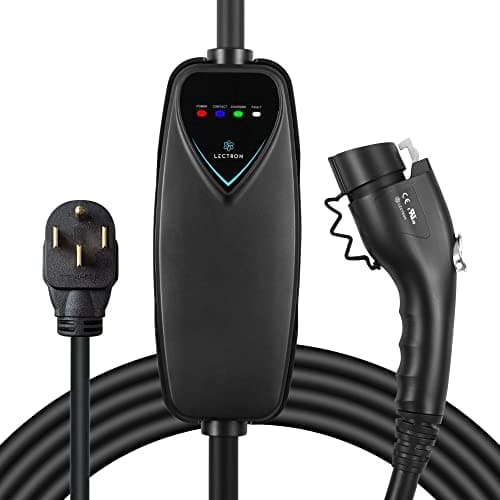
Lectron 40A Portable Level 2 Charger
$269.99 · View on AmazonPrice as of October 18, 2026. #ad How we’re funded
Hardwired vs Plug-In EV Charger
A 14-50 outlet you can unplug from, or a charger wired straight to the breaker. Speed, code, renting and what happens when the unit fails.
Level 1 vs Level 2 EV Charging
Five miles an hour against forty, and a free install against a four-figure one. The honest test for whether the slow option is actually enough for you.
Our top pick
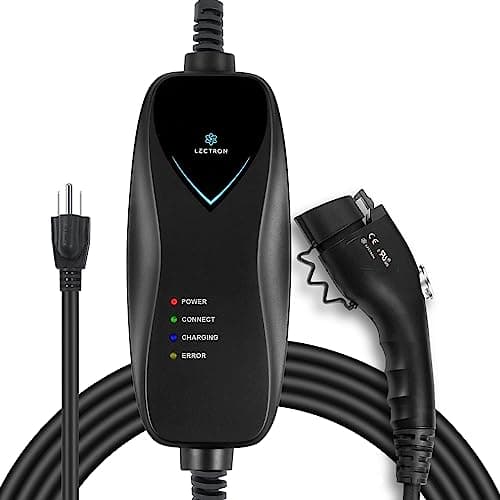
Lectron Level 1 Charger, 15A
Autel MaxiCharger vs ChargePoint Home Flex
Two 50-amp smart chargers at a similar price. One is built for -40F and salt; the other has the better app and the longer track record.
Our top pick
Autel MaxiCharger Home
EVIQO 48A vs Emporia Level 2
The two value 48-amp chargers people cross-shop most. Cable reach and enclosure against energy tracking and an ENERGY STAR listing.
Lectron 40A vs Grizzl-E Classic Connect
Two 40-amp plug-in chargers at very different prices. What the extra money buys is an enclosure rating, an app and nine more feet of cable.
Our top pick
Lectron 40A Portable Level 2 Charger
$269.99 · View on AmazonPrice as of October 18, 2026. #ad How we’re funded
Autel MaxiCharger vs Grizzl-E Classic Connect
The two chargers built to live outside, judged on the specification that actually speaks to a hard winter — the published operating temperature, not the enclosure rating.
Our top pick
Autel MaxiCharger Home
Grizzl-E Classic Connect vs Grizzl-E Ultimate
Same rugged metal shell, same brand, eight more amps — and a hardwire-only install that is the real price of the upgrade. Which Grizzl-E you actually want.
Our top pick
Grizzl-E Classic Connect
$349.99 · View on AmazonPrice as of October 18, 2026. #ad How we’re funded
Emporia Level 2 vs Emporia Pro
Both are 48-amp Emporia chargers. The Pro adds PowerSmart load management — which is either the thing that saves you a panel upgrade, or money you did not need to spend.
Lectron Nexus NACS vs ChargePoint Home Flex NACS
The two native-NACS home chargers a Tesla owner actually cross-shops: 48 amps and no app against 50 amps and the most mature app on any NACS unit.
Our top pick
Lectron Nexus NACS (Tesla) Charger
$449.99 · View on AmazonPrice as of October 18, 2026. #ad How we’re funded
Smart vs Basic EV Charger: Is Wi-Fi Worth It?
What an app genuinely adds once your car can already schedule its own charging — and the one smart feature we think is worth paying for.
Wallbox Pulsar Plus vs ChargePoint Home Flex
The two premium picks, split by one question: do you need load balancing to avoid a panel upgrade, or adjustable amperage all the way to 50?
Our top pick
ChargePoint Home Flex
$516.71 · View on AmazonPrice as of October 18, 2026. #ad How we’re funded
WOLFBOX E48 vs Emporia Level 2
Two 48-amp chargers at almost the same money, with almost the same spec sheet. The split is a confirmed ENERGY STAR listing and measured energy against a screen on the wall.
ELEGRP 40A vs Lectron 40A
The two cheapest ways into real Level 2 charging, separated by the one spec that decides whether a charger can be used on a circuit smaller than 50 amps.
Our top pick
ELEGRP 40A Portable Level 2 Charger (ECP24-40A0-01)
$209.99 · View on AmazonPrice as of October 18, 2026. #ad How we’re funded
32A vs 40A EV Charger: Which Should You Buy?
About seven miles of range an hour apart — and a 40-amp circuit against a 50-amp one. Which side your panel lands on decides it, and one kind of charger covers both.
Our top pick
Grizzl-E Classic Connect
$349.99 · View on AmazonPrice as of October 18, 2026. #ad How we’re funded
Portable vs Wall-Mounted EV Charger
Both plug into the same outlet and charge at the same speed. What actually separates them is the enclosure, the cable, the warranty — and whether it ever leaves the garage.
EVIQO 48A vs ChargePoint Home Flex
The two chargers on this site with the widest published adjustable current range. Same job, roughly $100 apart — and the split is where the current limit is enforced.
Our top pick
EVIQO 48A Level 2 Charger
Grizzl-E Mini vs Classic Connect
Same brand, same UL file, same metal-case philosophy. One is a 40-amp portable that ships with four outlet adapters; the other is a 40-amp plug-in that stays on the wall. The split is which outlets you will ever plug into.
Our top pick
Grizzl-E Classic Connect
$349.99 · View on AmazonPrice as of October 18, 2026. #ad How we’re funded
EVIQO NACS 48A vs Lectron NEXUS NACS
The two native-NACS 48-amp wall chargers we cover, both ENERGY STAR, both around the same money. One publishes an adjustable current range and the other does not — which decides whether your panel can take it.
Our top pick
EVIQO NACS 48A Level 2 Charger
NEMA 14-50 vs 6-50 for EV Charging
Both are 50-amp 240-volt receptacles and both charge at exactly the same speed. One carries a neutral wire your charger will never use; the other is cheaper to install — and only one is the plug every charger ships with.
Our top pick
Grizzl-E Mini 40A Portable Charger (J1772)
$479.99 · View on AmazonPrice as of October 18, 2026. #ad How we’re funded
Autel MaxiCharger vs Emporia Pro
Fifty amps against forty-eight, and a -40°F enclosure against whole-house energy monitoring. Two good hardwired chargers that answer different questions — plus which Emporia you can actually buy today.
Our top pick
Autel MaxiCharger Home
Emporia vs Grizzl-E EV Chargers
A software company against a metalwork company. Emporia sells energy data and load management; Grizzl-E sells a cast case and a plug. The split is whether you want to watch the charge or forget about it.
Our top pick
Grizzl-E Classic Connect
$349.99 · View on AmazonPrice as of October 18, 2026. #ad How we’re funded
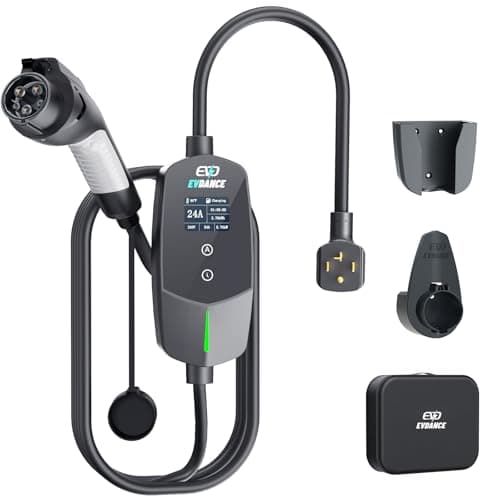
EVDANCE vs Lectron Portable EV Chargers
Two value brands building for two different outlets. EVDANCE caps itself at 24 amps for a dryer socket; Lectron builds for the 50-amp range outlet and does not turn down. Which fits what you already have.
Our top pick
EVDANCE 24A NEMA 14-30 Portable Charger (EV-ACS2405U)
$269.99 · View on AmazonPrice as of October 18, 2026. #ad How we’re funded
Leviton EV40P vs ChargePoint Home Flex
Almost the same money, and one of them is a fixed 40 amps while the other can be set anywhere from 16 to 50. Whether that range is worth anything depends entirely on the circuit you already have.
Our top pick
ChargePoint Home Flex
$516.71 · View on AmazonPrice as of October 18, 2026. #ad How we’re funded
EVIQO 48A vs Grizzl-E
A connected 48-amp charger against a metal box you can buy a 5-year warranty on. One gives you a current slider and firmware updates; the other gives you the fewest parts that can fail.
Our top pick
EVIQO 48A Level 2 Charger
Autel MaxiCharger vs Wallbox Pulsar Plus
Fifty amps and the widest published temperature range in our registry, against the most compact smart charger here — whose headline energy features need a second device you buy separately.
Our top pick
Autel MaxiCharger Home
Emporia Pro vs Wallbox Pulsar Plus
Both answer a tight panel by slowing the car down rather than upgrading the service, and both charge you for a second box to do it. Which add-on buys you more is the whole comparison.
Our top pick
Emporia Pro with PowerSmart
$599.00 · View on AmazonPrice as of October 18, 2026. #ad How we’re funded
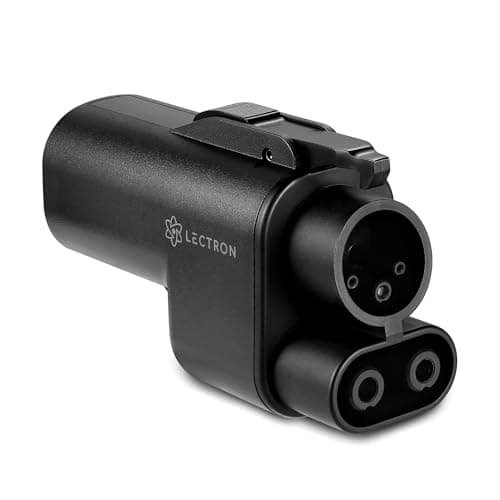
Lectron Vortex Plug vs Vortex Plus
Identical headline numbers — 500 amps, 1,000 volts, 500 kW — and then Lectron's own pages diverge on three things: certified versus compliant, an automatic interlock versus a manual latch, and whether a warranty term exists at all.
Our top pick
Lectron Vortex Plus NACS to CCS Adapter
$199.99 · View on AmazonPrice as of October 18, 2026. #ad How we’re funded
The three questions that settle most matchups
Before you compare two specific models, it is worth knowing that most charger decisions come down to three questions, and only one of them is about features. Working through these first usually eliminates one of your two tabs.
1. What circuit can your panel actually spare?
This is the question that decides more comparisons than anything else, and most people ask it last. Under the National Electrical Code’s Article 625, EV charging counts as a continuous load, so the branch circuit is sized to 125% of what the charger draws. That arithmetic lands on round numbers: a 40-amp charger wants a 50-amp breaker, a 48-amp charger wants a 60-amp one. If your panel can only spare 50 amps, then every 48A charger on your shortlist will quietly run at 40A anyway, and the comparison you were agonizing over has already been settled by your electrical service. Our 40A vs 48A comparison works this through in full, and our how many amps guide covers how to find out what you have.
2. Are you wiring it in, or plugging it in?
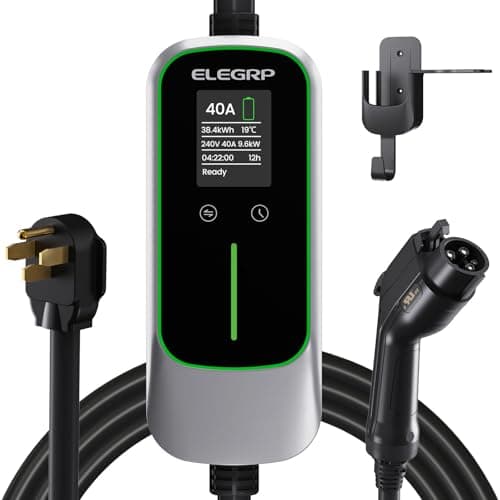
Hardwired or plug-in changes the shortlist before any brand does. A plug-in charger tops out at 40 amps in practice, because the common NEMA 14-50 receptacle is a 50-amp device; every 48A and 50A charger is hardwired for that reason. In exchange, a plug-in unit comes with you when you move, can be swapped in thirty seconds if it fails, and suits a rented property in a way a hardwired box never will. Our hardwired vs plug-in comparison covers the full trade, including the two situations where hardwiring is not actually a choice.
3. What are you actually paying extra for?
Two chargers can push identical amps into the car and be meaningfully apart in price, because amperage is not what you are buying. The premium goes on the app (a mature one costs real money to build and keep alive), the enclosure (die-cast metal and a genuine NEMA 4X rating cost more than molded plastic and a NEMA 3R one), cable length, physical size, and load-management features that can save you a panel upgrade. None of it makes the car fill faster. Our Emporia vs ChargePoint matchup is the clearest example of that gap in the market, and our Grizzl-E vs ChargePoint comparison is the same question asked of two chargers that put the money in different places — the enclosure, or the amps.
What we do not compare on
We do not bench-test chargers, and we will not compare two units on an impression of build quality we have not earned the right to have. Every comparison here is built from published manufacturer specifications, the certifications an independent laboratory actually issued, and arithmetic you can re-run yourself — amps times volts for power, then divided by a stated reference efficiency of roughly 3.5 miles per kWh for range added per hour. We print that assumption on every page rather than hiding it, because your own car’s efficiency will move the number and you should be able to correct for it. Our methodology page sets out exactly what we do and do not claim.
Where a comparison is the wrong tool
If you have not narrowed the field to two yet, a head-to-head will not help — start with a roundup instead. Our Level 2 roundup is the general starting point, the hardwired roundup is the one to use if you already know you are wiring it in, and the portable roundup covers the plug-in tier. And if the real question is whether you need a Level 2 charger at all, our four-question test answers that before you spend anything.
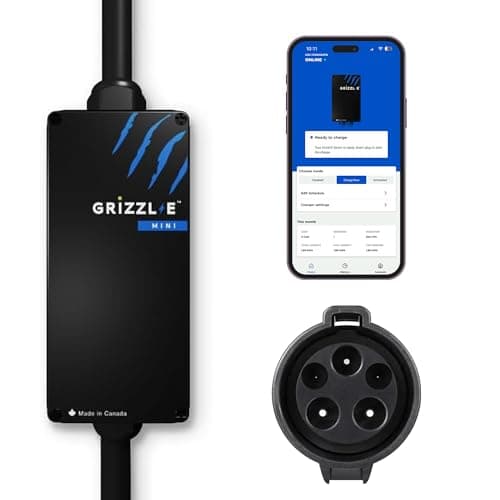
Three matchups worth pointing at directly, because they turn on a single published spec rather than on overall quality. Our Grizzl-E Mini vs Classic Connect compares two 40-amp chargers under the same UL file, where the cheaper one is the better buy unless you need the Mini’s outlet adapters. Our EVIQO NACS 48A vs Lectron NEXUS NACS settles the native-Tesla-plug question on whether the charger can be fitted to a circuit smaller than 60 amps. And our Wallbox vs Emporia comparison is the one to read if the choice is between a compact premium unit and the value pick with the same amperage.
Four more matchups, three of them brand-against-brand. Our Autel MaxiCharger vs Emporia Pro is a weatherproof enclosure and a card reader against whole-house energy data and load management. Our Emporia vs Grizzl-E is an energy-monitoring company against a metalworks, and the split is whether you want to watch the charge or forget it exists. Our EVDANCE vs Lectronlooks like a brand question and is really an outlet question — one brand builds for the dryer socket, the other for the range socket. And our NEMA 14-50 vs 6-50 comparison is the one to read before an electrician quotes, because it decides which receptacle to have fitted rather than which charger to buy.
And for two name brands at almost the same price, our Leviton EV40P vs ChargePoint Home Flex matchup turns on a single published line: one is specified as a fixed 40 amps, the other can be set to six different currents from 16 to 50. Whether that range is worth anything depends entirely on whether the circuit behind your wall is already decided.
Not every matchup on this site is a wall charger. Our Lectron Vortex Plug vs Vortex Plus comparison takes the two road adapters that let a CCS1 car use a Tesla Supercharger and finds three differences the identical headline numbers hide: one is UL 2252 certified where the other is only described as compliant, one holds the connection with an automatic dual interlock where the other has a manual latch, and only one of them publishes a warranty term at all.
Frequently asked questions
Does a more expensive EV charger charge faster?
Not by itself. Charging speed comes from amperage: a 40-amp charger is a 40-amp charger whether it is a budget or a premium brand. The extra money in a pricier unit buys a more polished app, a tougher weatherproof enclosure, a longer cable, a smaller body, or load management — not raw speed.
Is 48 amps worth it over 40 amps?
It is about six miles of range per hour at our standard 3.5 miles-per-kWh reference — 40 versus 34. The bigger difference is the circuit: 48 amps needs a 60-amp breaker under the NEC's continuous-load rule, while 40 amps runs on a more common 50-amp circuit. If your panel is tight, the 40-amp charger is often the cheaper total install, not just the cheaper box.
Should I buy a hardwired or a plug-in EV charger?
Plug-in if you rent, expect to move, or want to be able to swap the unit yourself — it also keeps the install simpler. Hardwired if you want more than 40 amps, because there is no common household receptacle for a 60-amp circuit, or if the charger will live somewhere genuinely weather-exposed where a sealed conduit entry beats a cord and cover.
Do I need a smart Wi-Fi EV charger?
Only if you will use it. The genuinely valuable feature is scheduling around an off-peak electricity rate, and every modern EV can do that from the car for free. A charger app earns its keep when you want energy measured at the wall rather than estimated by the car, or when more than one vehicle shares the charger.
How do you decide which charger wins a comparison?
We do not declare an overall winner. Each comparison names the better buy for each kind of buyer — tight panel versus generous panel, sheltered wall versus exposed one, renter versus owner — because those constraints decide more than any feature list does. Every call is made from published specs, third-party certifications and arithmetic we show.